Heritage & Character
Wharf Road is synonymous with Nigeria's maritime history, serving as the primary access point to Apapa Port, one of the nation's largest and busiest seaports. Its character is defined by decades of port activity, shaping its commercial and industrial identity. The area is a melting pot of cultures, driven by the constant influx of people involved in shipping, logistics, and related businesses. Its strategic importance has made it a vital artery in Nigeria's economic landscape.
Lifestyle & Amenities
Lifestyle on Wharf Road is heavily influenced by its industrial nature. Social life revolves around the port and its associated businesses. Dining options are mostly geared towards the working population, with local eateries and canteens. Shopping is limited, with most retail activity focused on meeting the needs of port workers and truck drivers. Recreational activities are scarce due to the area's primary focus on commerce and logistics, with limited green spaces.
Infrastructure & Access
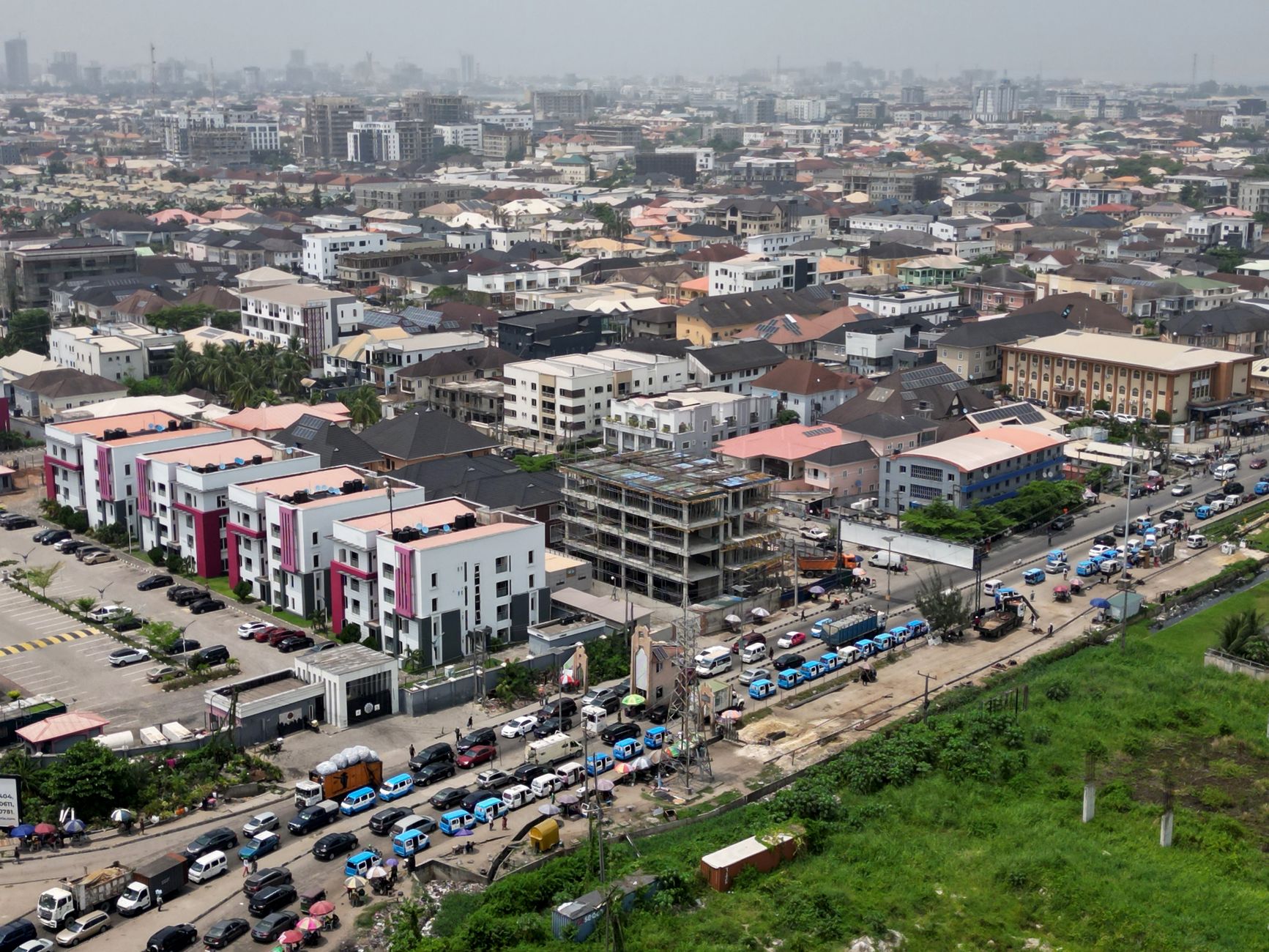
Wharf Road's infrastructure is primarily geared towards supporting port operations. The Apapa-Oshodi Expressway provides crucial access to other parts of Lagos. However, the area suffers from chronic traffic congestion due to heavy truck movement. Utilities are generally reliable, but the high concentration of industrial activity places a strain on resources. Development is largely focused on warehouses, logistics facilities, and port-related infrastructure, with limited residential development.
Local Landmarks
Explore Wharf Road's Map
Neighbourhood Specialists
View All →No verified agents currently serving this area.

Data Building...
Alex needs more listings in Wharf Road to provide accurate market estimates. As more agents list here, insights will become available.
More About Wharf Road
Overview of Wharf Road
Wharf Road is a crucial industrial and commercial artery in Apapa, Lagos, serving as the direct link to the Apapa Port. This area is characterized by heavy truck traffic, numerous warehouses, and a high concentration of port-related businesses. Residential options are extremely limited, and the area is known for being exceptionally busy and often heavily congested. Wharf Road is a vital infrastructure component for Nigeria's import and export activities.
Location & Accessibility
Wharf Road's location is strategically important, providing direct access to the Apapa Port, Nigeria's primary seaport. This makes it a critical hub for logistics and shipping activities. Accessibility is primarily via road, with major routes connecting it to other parts of Lagos. However, the road is notorious for severe traffic congestion, largely due to the high volume of trucks and commercial vehicles. Public transportation is available, but navigating the area can be challenging due to the constant traffic. The proximity to the port is both a benefit and a drawback, contributing to its economic importance while exacerbating traffic issues.
Property Market
The real estate market on Wharf Road is almost exclusively commercial and industrial. Residential properties are virtually non-existent. The area is dominated by warehouses, logistics facilities, and office buildings catering to port-related businesses. Property values are substantial, reflecting the area's strategic importance. Sales prices for commercial properties range from ₦60 million to ₦100 million, while rental rates can vary from ₦2.5 million to ₦3.5 million per year. Investing in real estate on Wharf Road is typically seen as a strategic business decision, given its pivotal role in the import/export sector. Finding appropriate property requires specialized knowledge of the industrial real estate market.
Lifestyle & Amenities
Wharf Road offers very few lifestyle amenities, as it is primarily an industrial and commercial zone. The area is dominated by port activities, with limited options for dining, recreation, or shopping. Essential services such as banks and logistics support are available, but the focus is squarely on business operations. The environment is generally not conducive to residential living, and the area's vibrancy stems from its commercial and industrial activities rather than its lifestyle offerings.
Who Lives Here
Given its industrial and commercial nature, Wharf Road is primarily populated by workers in the logistics, shipping, and port-related industries. The area attracts a diverse workforce, including truck drivers, warehouse staff, and port administrators. Due to the lack of residential options, most people commute to Wharf Road for work. The community is largely transient, with a strong focus on career and business opportunities. The area's identity is firmly rooted in its role as a critical component of Nigeria's import/export infrastructure.
Neighbourhood Insights
View All →
Frequently Asked Questions
Interested in Wharf Road?
Connect with a specialist who knows this neighbourhood inside out.
We will reply on WhatsApp. Reply STOP at any time to opt out.